As of August 27, 2025, a total of 95 people infected with the outbreak strain of Salmonella have been reported from 14 states. Illnesses started on dates ranging from January 7, 2025, to July 26, 2025. Of the 80 people with information available, 18 have been hospitalized. No deaths have been reported.
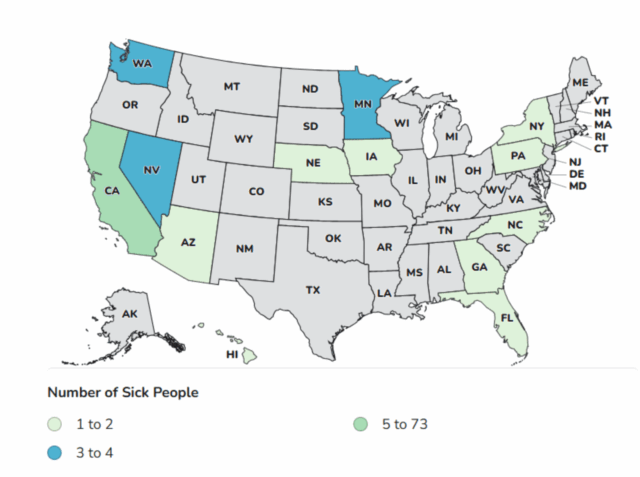
Total Illnesses: 95
Hospitalizations: 18
Deaths: 0
Last Illness Onset: July 26, 2025
States with Cases: Arizona, California, Florida, Georgia, Hawaii, Iowa, Minnesota, North Carolina, Nebraska, New Mexico, Nevada, New York, Pennsylvania and Washington.
State and local public health officials are interviewing people about the foods they ate in the week before they got sick. Of the 36 people interviewed, 33 (92%) reported eating eggs. This percentage is significantly higher than the 78% of respondents who reported eating eggs in the FoodNet Population Survey—a survey that helps estimate how often people eat various foods linked to diarrheal illness. This difference suggests that people in this outbreak got sick from eating eggs.
State health officials identified illness sub-clusters at four restaurants. An illness sub-cluster is a group of unrelated sick people who all ate at the same location or event, such as a restaurant. Investigating sub-clusters can help identify a food item eaten by all the sick people that could be the source of the outbreak. Eggs were served at the four restaurants with illness sub-clusters.
Public health investigators are using the PulseNet system to identify illnesses that may be part of this outbreak. CDC PulseNet manages a national database of DNA fingerprints of bacteria that cause foodborne illnesses. DNA fingerprinting is performed on bacteria using a method called whole genome sequencing (WGS). WGS showed that bacteria from sick people’s samples are closely related genetically. This suggests that people in this outbreak got sick from the same food.
Based on WGS analysis, bacteria from 94 people’s samples had predicted resistance to nalidixic acid and nonsusceptibility to ciprofloxacin (NSC); this NSC strain is related to a strain of Salmonella Enteritidis isolated from chicken, eggs, and backyard poultry. Most people with Salmonella illness recover without antibiotics. However, if antibiotics are needed, some illnesses in this outbreak may not be treatable with some commonly recommended antibiotics and may require a different antibiotic choice. More information is available at the National Antimicrobial Resistance Monitoring System (NARMS) site.
FDA conducted traceback based on where sick people reported shopping or eating eggs and dishes containing eggs during the timeframe of interest. Country Eggs, LLC was identified as a common supplier. On August 27, 2025, Country Eggs, LLC recalled eggs. CDC advises people to not eat recalled eggs and businesses to not sell or serve recalled eggs.
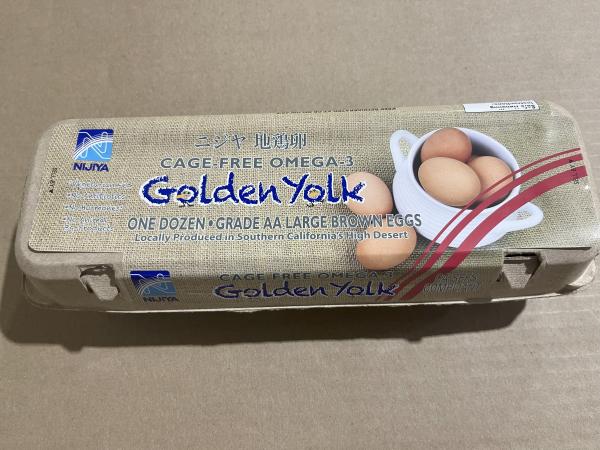
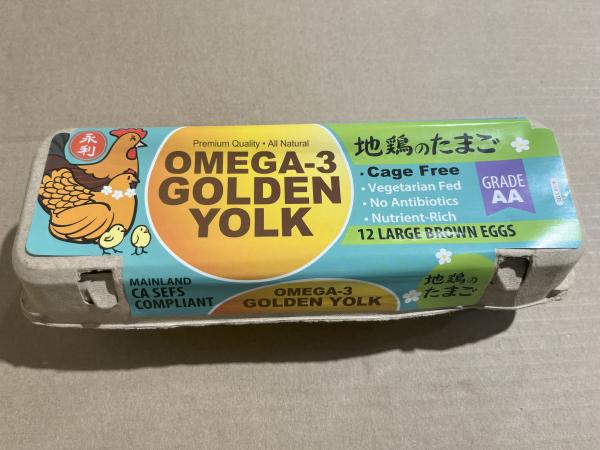
Salmonella: Marler Clark, The Food Safety Law Firm, is the nation’s leading law firm representing victims of Salmonella outbreaks. The Salmonella lawyers of Marler Clark have represented thousands of victims ofSalmonella and other foodborne illness outbreaks and have recovered over $900 million for clients. Marler Clark is the only law firm in the nation with a practice focused exclusively on foodborne illness litigation. Our Salmonella lawyers have litigated Salmonella cases stemming from outbreaks traced to a variety of foods, such as cantaloupe, tomatoes, ground turkey, salami, sprouts, cereal, peanut butter, and food served in restaurants. The law firm has brought Salmonella lawsuits against such companies as Cargill, ConAgra, Peanut Corporation of America, Sheetz, Taco Bell, Subway and Wal-Mart.
If you or a family member became ill with a Salmonella infection, including Reactive Arthritis or Irritable bowel syndrome (IBS), after consuming food and you’re interested in pursuing a legal claim, contact the Marler Clark Salmonella attorneys for a free case evaluation.
Additional Resources: